



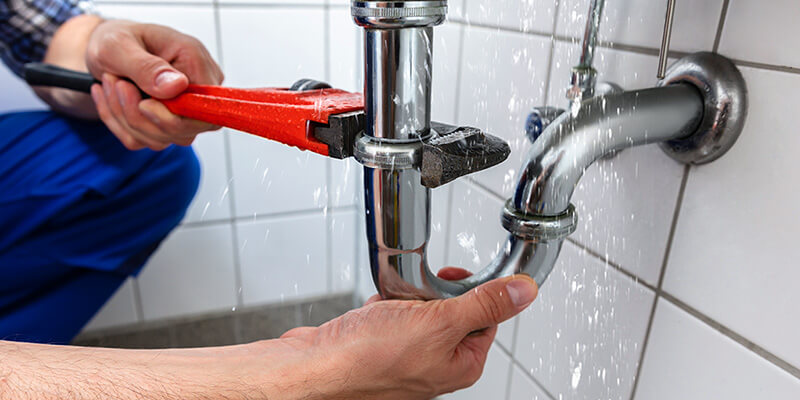
Essential Plumbing Maintenance in summer 2024 helps Texas homeowners prevent common issues that tend to appear during the hotter months. To keep your plumbing system in good working order, it is important to perform regular inspections, make sure water pressure stays within the 40 to 60 psi range, clean drains, maintain the water heater, and check outdoor plumbing. This is the foundation for keeping everything running smoothly throughout the summer.
As temperatures rise and water use increases, the strain on pipes, faucets, drains, and outdoor irrigation also grows. That is why early preparation is not just a preventive step, but a practical way to reduce wear, identify problems in time, and avoid worsening existing issues. Many Texas homeowners choose to carry out these checks at the beginning of summer so they can enter the hot season with a system that is ready.
The Right Choice Texas emphasizes the importance of simple and precise seasonal maintenance. Even when there is no immediate sign of a problem, a proactive inspection can reveal small leaks, corrosion, or signs of wear before they develop into more significant damage.
What does Essential Plumbing Maintenance for summer in Texas include?
The recommended maintenance focuses on several key areas of the home plumbing system. Each of them is affected differently by heat, increased use, and prolonged exposure to outdoor conditions.
- Periodic inspection of pipes, connections, and fixtures
- Checking water pressure and maintaining the recommended range of 40 to 60 psi
- Cleaning drains to prevent minor clogs and debris buildup
- Water heater maintenance, including checking for leaks and sediment buildup
- Inspecting outdoor plumbing, garden hoses, sprinklers, and the irrigation system
Each of these steps is based on simple maintenance actions that can improve performance, reduce strain on the system, and extend the life of the components.
Why is it important to inspect pipes and fixtures regularly?
Summer is an ideal time for a thorough plumbing inspection. It is recommended to check for leaks, corrosion, and signs of wear in pipes and end fixtures, especially in areas where the plumbing is exposed and visible.
Focus on areas such as under sinks, in basements, and around outdoor faucets. These are points where it is often possible to notice drips, loose connections, or signs of rust early. Early detection of a small problem may help prevent ongoing damage.
What signs should you look for during the inspection?
- Moisture around connections and pipes
- Discoloration or rust on metal
- Signs of wear on fixtures and faucets
- Slow dripping under the sink or near an outdoor faucet
If you want to learn more about early detection of hidden issues, you can also read From Drips to Disasters: How to Spot Hidden Plumbing Problems.
How do you check water pressure and why is it important to stay within 40 to 60 psi?
Water pressure that is too high can put stress on the home plumbing system. This kind of strain can affect pipes, connections, and fixtures, which is why it is important to check water pressure using a dedicated pressure gauge.
The recommended range is 40 to 60 psi. If the pressure is above that range, it is recommended to install a pressure regulator to help prevent damage. This is a targeted step intended to reduce unnecessary strain on the system and maintain stable performance over time.
| Topic | Recommendation | Purpose |
|---|---|---|
| Water pressure | 40 to 60 psi | Reduce strain on the plumbing |
| If pressure is high | Install a pressure regulator | Prevent damage to the system |
This kind of check is especially relevant in summer, when water consumption in the home and yard tends to rise. Maintaining balanced pressure supports consistent performance and reduces wear.
How do you clean drains safely and effectively in summer?
With increased water use during the summer, drains can clog more easily. Regular drain maintenance can help address minor blockages before they get worse.
For basic cleaning, you can use a mixture of baking soda and vinegar to help loosen minor clogs. At the same time, it is important to avoid pouring grease or food scraps down the drain. When the problem continues, it is recommended to consider professional drain cleaning.
What should you do, and what is better to avoid?
- Yes, perform periodic drain cleaning
- Yes, use a baking soda and vinegar mixture for minor clogs
- No, pour grease down the drain
- No, allow food particles to enter the sink
- Yes, seek professional service when the clog returns
For more practical tips, you can also review the article Unclog Your Chaos: DIY Plumbing Fixes Every Homeowner Needs.
Why is water heater maintenance especially important in summer?
Summer is an especially good time to service the water heater. During this period, it is recommended to check for leaks, identify sediment buildup, and make sure the temperature is set correctly.
Periodic flushing of the tank can help prevent sediment buildup. This action may improve performance and also extend the life of the water heater. When sediment builds up over time, efficiency is affected, which is why ongoing maintenance remains an important step even in the warm season.
What does a basic water heater inspection include?
- Checking for leaks around the water heater
- Checking for sediment buildup
- Making sure the temperature is set correctly
- Periodic flushing of the tank
Consistent water heater maintenance fits well into a broader service plan. Additional information about ongoing maintenance can be found here, Maintenance.
How do you protect outdoor plumbing, garden hoses, and the irrigation system during summer in Texas?
Summer in Texas can be especially tough on outdoor plumbing. Heat, sun, and frequent use affect hoses, sprinklers, and outdoor connections, so it is important to inspect them in an organized way.
It is recommended to check garden hoses and sprinklers to identify leaks or damage. In addition, make sure the irrigation system is functioning properly. In suitable cases, installing a timer can help save water. When hoses are not in use, it is important to disconnect and store them properly to prevent damage.
| Outdoor component | What to check | What to do |
|---|---|---|
| Garden hoses | Leaks or damage | Disconnect and store when not in use |
| Sprinklers | Leaks or wear | Make sure they function properly |
| Irrigation system | Overall function | Consider installing a timer to save water |
Those looking for a broader view of seasonal weather preparation can also read Seasonal Plumbing Tips: How to Prepare Your Home for Any Weather.
How do you build a simple Essential Plumbing Maintenance routine for summer 2024?
A good maintenance routine does not have to be complicated. The goal is to go over the critical points on time, identify irregularities, and respond before a significant problem appears.
- Check visible pipes and fixtures, under sinks, in the basement, and near outdoor faucets
- Measure water pressure and make sure it is within the 40 to 60 psi range
- Clean drains regularly and avoid grease and food scraps
- Check the water heater for leaks, sediment, and proper temperature setting
- Inspect outdoor plumbing, sprinklers, and the irrigation system
When these steps are carried out in an organized way, it becomes easier to maintain system stability throughout the season. The Right Choice Texas suggests that homeowners think of maintenance as an ongoing condition check, not only as a response to a malfunction.
Frequently asked questions
What is Essential Plumbing Maintenance in summer?
It is basic preventive plumbing maintenance that includes checking for leaks and wear, testing water pressure, cleaning drains, maintaining the water heater, and inspecting outdoor plumbing.
What is the recommended home water pressure range?
The recommended range is 40 to 60 psi. If the pressure is higher, it is recommended to install a pressure regulator to help prevent damage to the system.
How can you deal with a minor drain clog?
You can try a mixture of baking soda and vinegar to help resolve minor blockages. If the problem continues, it is worth considering professional cleaning.
What should you check in a water heater during summer?
It is important to check for leaks, sediment buildup, and the correct temperature setting. Periodic flushing of the tank can improve performance and extend the life of the water heater.
What is important to check in outdoor plumbing?
It is recommended to inspect garden hoses, sprinklers, and the irrigation system to identify leaks or damage, make sure they are functioning properly, and disconnect and store hoses when they are not in use.