



How To Shut Off Your Toilet’s Water Supply is a basic home skill that can help you stop a leak quickly, limit water damage, and make simple toilet repairs easier. In most cases, the process is simple, find the shutoff valve near the base of the toilet, turn it clockwise until it stops, then flush to make sure the tank does not refill.
Understanding how to control your toilet’s water flow is useful during emergencies and routine maintenance alike. Whether you notice a leak, need to replace a part, or want to inspect a plumbing issue, shutting off the water is the first step before you do anything else.
What is the first step in How To Shut Off Your Toilet’s Water Supply?
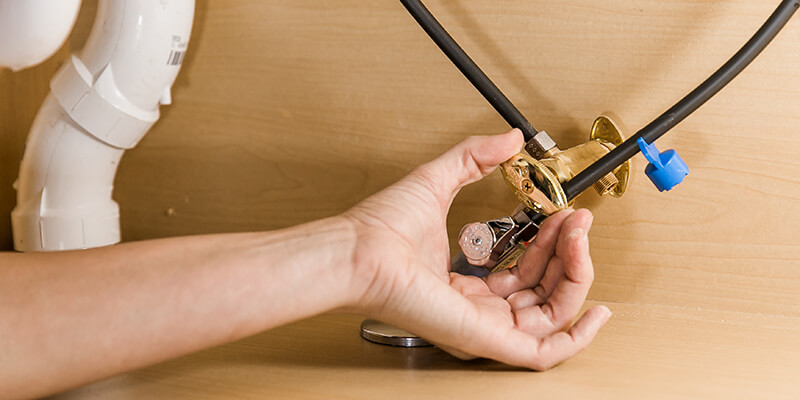
The first step is to locate the shutoff valve. It is typically mounted on the wall near the base of the toilet and connected to a flexible supply line that runs from the wall to the tank.
The valve is usually small and oval or round in shape. Once you identify it, you are ready to stop the water flow to the toilet if needed.
How do you complete How To Shut Off Your Toilet’s Water Supply safely?
Shutting off your toilet’s water supply is a straightforward process that helps prevent leaks, supports repairs, and makes routine maintenance more manageable. It is also an effective way to avoid unnecessary water waste and reduce the risk of bathroom water damage.
- Locate the shutoff valve at the base of the toilet where the water line meets the wall.
- Gently turn the valve clockwise until it stops.
- Flush the toilet to empty the tank and remove the water already inside.
- Watch the tank to confirm it does not refill.
If the tank does not refill after flushing, you have successfully shut off the water supply. If it continues to refill, the valve may not be fully closed or there may be another plumbing issue that needs attention.
What should you avoid while turning the valve?
Use a gentle, steady motion when turning the valve. Forcing it can damage the valve or connected parts, which may create a bigger plumbing problem than the one you were trying to solve.
If the valve feels stuck or fragile, it may be best to stop and contact a professional rather than risk a break or leak.
Why is How To Shut Off Your Toilet’s Water Supply important?
Shutting off your toilet’s water supply is crucial during leaks, repairs, or routine maintenance. This simple action can save gallons of water from being wasted and help protect your bathroom flooring and nearby structures from damage.
It also gives you more control during a plumbing problem. Instead of waiting while water continues to run or leak, you can stop the flow right away and assess the situation more calmly.
- Helps prevent water damage
- Reduces unnecessary water waste
- Makes toilet repairs easier
- Supports safer routine maintenance
- Helps limit costly plumbing issues
For homeowners in Dallas, TX, McKinney, TX, and Richardson, TX, this is one of the most practical plumbing basics to know. When the issue goes beyond a quick shutoff, professional help may be the smartest next step.
What common toilet problems might you notice after shutting off the water?
Once the water is off, you can inspect the toilet more safely and clearly. Some issues are visible right away, while others become easier to diagnose when the tank is empty and no new water is entering.
Which common issues and solutions should you know?
| Issue | Solution |
|---|---|
| Continuous Running | Adjust the flapper or float ball |
| Leaky Seals | Tighten the seal or replace it |
| Faulty Fill Valve | Replace the fill valve |
| Clogged Toilet | Use a plunger or toilet auger |
These are common toilet problems that may appear during basic maintenance or after a leak. If a simple adjustment does not solve the issue, the next step may require a more complete plumbing inspection.
When should you call a plumber in Dallas?
Some toilet problems are simple, but others may point to a deeper issue in the plumbing system. If you are facing a persistent leak, repeated running, a damaged shutoff valve, or uncertainty about the repair, seeking a plumber in Dallas is a wise choice.
A professional can inspect the toilet, supply line, valve, and surrounding plumbing to identify issues that may not be obvious at first glance. This can help prevent recurring trouble and reduce the chance of future water damage.
What are signs the problem is beyond DIY?
- The shutoff valve will not turn
- The valve leaks after being turned
- The toilet keeps refilling after shutoff
- You notice ongoing leaks around the base or supply line
- You are unsure which part needs repair
When DIY methods fall short, having a trained plumber handle the issue can save time and help protect your bathroom from more extensive damage.
Why choose The Right Choice Heating and Air Inc for plumbing help?
Servicing Dallas, TX, McKinney, TX, and Richardson, TX, The Right Choice Heating and Air Inc is known for quality and trust. Clients rely on experienced professionals to address current plumbing issues and provide practical guidance that may help prevent future problems.
If your toilet shutoff valve is not working properly or the repair becomes more involved than expected, reaching out for professional service can make the process much easier. For direct service or scheduling, visit Right Choice Heating and Air.
What other home maintenance tips can support your plumbing system?
Toilet shutoff knowledge is one part of protecting your home systems. Good maintenance habits can also help reduce avoidable wear in other areas of the house.
For example, buildup in drains and pipes can lead to preventable plumbing trouble over time. You can also explore these FOG prevention tips for DFW homeowners to protect plumbing for more ways to protect your system.
If you are maintaining your home more broadly, seasonal care matters for comfort systems too. Related resources include What to Expect from an Air Conditioning Tune Up and Tips To Lower The Utility Bills in Your Home.
What is the key takeaway?
Knowing How To Shut Off Your Toilet’s Water Supply can help you act fast during a leak, prepare for repairs, and avoid unnecessary water damage. The steps are simple, locate the valve, turn it clockwise, flush the toilet, and confirm the tank does not refill.
That said, not every toilet issue should be handled alone. If the valve is stuck, leaking, or if the problem continues after shutoff, professional plumbing support is the safest next step.
Frequently asked questions
Where is the toilet shutoff valve usually located?
It is typically on the wall near the base of the toilet, connected to the flexible supply line that runs to the tank.
Which direction should you turn the valve?
Turn the shutoff valve clockwise until it stops. This should cut off the water flow to the toilet.
How can you confirm the water is off?
Flush the toilet after turning the valve. If the tank empties and does not refill, the water supply has been shut off successfully.
What if the valve does not turn easily?
Do not force it. A stuck or fragile valve can break or start leaking, so calling a professional is often the safer option.
When should you call a plumber?
You should call a plumber if the toilet keeps refilling, the valve leaks, the valve will not turn, or you are unsure how to proceed with the repair.