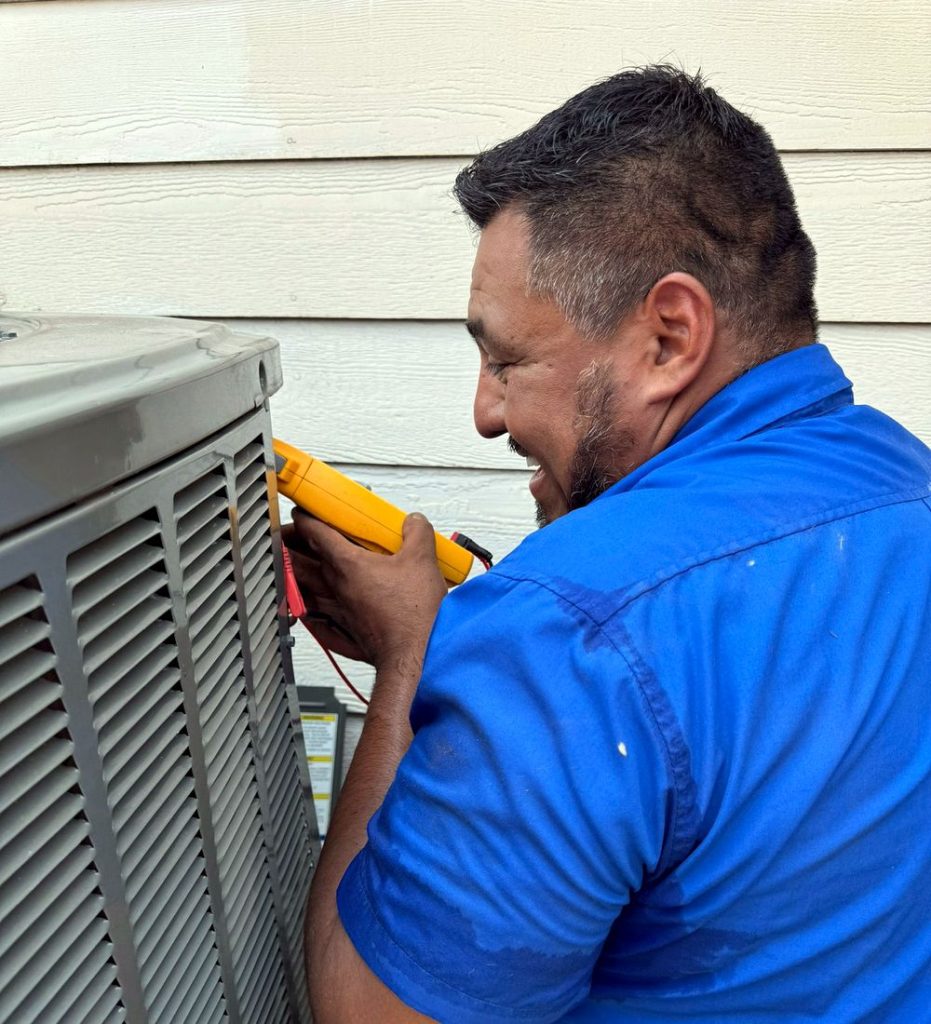
Reduce Home Allergies by improving airflow, using better HVAC filtration, and adding air cleaning technology that targets contaminants in the air and on surfaces. If you want to know how to reduce allergens in your home, the key is to limit recirculated pollutants, support healthy ventilation, and make sure your heating and cooling system is helping, not worsening, your allergy at home symptoms.
Allergy season affects many households, and for some people it lasts all year. Spring is a favorite season for many, but it can also bring a noticeable increase in indoor symptoms. Your home heating and air system works year round, heating in winter and cooling in summer, which means the indoor unit, furnace or air handler blower, circulates air through the home on a regular basis.
For sensitive individuals, that constant recirculation can come with a high price, more exposure to indoor allergens and a greater chance to reduce allergic reaction only if the system is properly supported. Research shows that the number of allergens in a closed space is doubled in size compared to outdoors. In many homes, outside airflow is restricted, so contaminants remain inside and continue moving through the house.
The better insulated the house, the worse the effects can be. For people who are sensitive, exposure may contribute to irritation of the eyes, swelling, rash, itching, and shortness of breath. The temperature difference between the house, warm, and your cooling system, cold air, can also create conditions that support mold development, which may further affect allergy sufferers.
Luckily, there are measures you can take to decrease the number of allergens in the house. Below are 3 practical ways to Reduce Home Allergies without changing the facts of how your system operates.
What causes allergy at home to get worse?
Indoor air can become more problematic than outdoor air because it stays trapped and recirculates. When a heating and cooling system runs often, particles already inside the home continue passing through the air stream. If ventilation is limited and filtration is weak, allergens can remain in the living space longer.
This is one of the main reasons people search for how to reduce allergens in your home. In a closed indoor environment, common irritants may build up instead of dispersing. If mold is also present due to temperature and moisture conditions, symptoms can become even more noticeable.
| Issue | Why it matters |
|---|---|
| Restricted outside airflow | Contaminants stay indoors and keep recirculating |
| Frequent HVAC operation | Air moves through the home year round |
| Better insulation | Can intensify indoor allergen buildup |
| Warm indoor air and cold cooling air | Can create an environment for mold development |
How can proper ventilation help reduce home allergies?
Proper ventilation is one of the simplest ways to improve indoor air. Open your windows for 15 to 45 minutes every day to circulate the air in the house. That fresh air exchange helps reduce the concentration of contaminants that would otherwise stay trapped indoors.
If you are trying to Reduce Home Allergies, this step matters because your HVAC system alone does not bring in enough fresh outdoor air in most homes. Ventilation gives indoor pollutants a way out and allows cleaner outdoor air to move in. This can be especially helpful when your home stays closed for long periods.
What is the recommended ventilation step?
- Open windows daily
- Keep them open for 15 to 45 minutes
- Use this time to circulate indoor air
Even a small daily routine can support better air quality. If you are dealing with persistent allergy at home symptoms, ventilation is a practical first step before moving on to filtration upgrades.
Why does filtration matter if you want to reduce allergic reaction?
Filtration plays a major role in controlling airborne particles. Do not buy cheap filters. While a more expensive filter may seem like a waste of money at first, it can be one of the best things you can do for your system and your indoor air quality.
There is a big variety of filters available. A good filter can stop allergens, pet dander, and particles up to the sub micron level, very small particles in the air. A quality filter can also help prolong the life of your HVAC system and prevent air restrictions.
If your goal is to learn how to reduce allergens in your home, filtration should be part of the plan. Better filters support the system as it circulates air through the house. They also help reduce the amount of particulate matter moving from room to room.
What should you know about HVAC filters?
- Cheap filters may not provide strong particle capture
- Better filters can stop allergens and pet dander
- Good filtration can capture very small airborne particles
- Quality filters can help prolong HVAC system life
- They can also help prevent air restrictions
If you want more background on HVAC systems, you can read History of HVAC. What is HVAC?. Understanding how your system moves air can help explain why filtration is so important when you want to reduce allergic reaction indoors.
If you would like to know more about filter types and sizes, read the related blog post on the site or call for guidance. The right filter choice can make a meaningful difference in day to day comfort.
What is Air Scrubber Plus and how does it help?
Air Scrubber Plus is presented here as probably your best solution against allergens. This NASA Technology uses Ozone in the air to imitate the outdoor environment to eliminate allergens, bacteria, and viruses, not just in the air but also on surfaces.
For homeowners looking to Reduce Home Allergies, this matters because it goes beyond passive filtration. Instead of only trapping particles as air passes through the system, Air Scrubber Plus is described as helping address contaminants both in the air and on surfaces around the house.
The original claim also states that it has already helped thousands of customers. For households dealing with ongoing allergy at home concerns, this option may be worth discussing with a professional. The Right Choice Texas can help you understand whether this approach fits your current HVAC setup.
Why do some homeowners consider Air Scrubber Plus?
- It is described as a strong solution against allergens
- It uses NASA Technology
- It uses Ozone in the air to imitate the outdoor environment
- It targets allergens, bacteria, and viruses
- It works on airborne contaminants and surface contaminants
Which 3 steps are best if you want to reduce home allergies now?
If you want a clear action plan, focus on these 3 steps first. They reflect the original recommendations and keep the process simple.
- Improve ventilation, open your windows for 15 to 45 minutes every day.
- Upgrade filtration, avoid cheap filters and choose a better quality option for your HVAC system.
- Ask about Air Scrubber Plus, consider a solution designed to address allergens, bacteria, and viruses in the air and on surfaces.
Together, these steps address the main indoor air issues described above, trapped contaminants, repeated air recirculation, and conditions that may support mold development. If you are trying to find practical ways to how to reduce allergens in your home, this is the core strategy.
You may also find energy related improvements helpful for overall HVAC performance. For more home efficiency ideas, read Tips To Lower The Utility Bills in Your Home: Get Useful Suggestions!. Better system performance and better indoor air habits often go hand in hand.
When should you call a professional for allergy at home concerns?
If symptoms continue even after you improve ventilation and upgrade filtration, it may be time to get expert input. A professional can review how your HVAC system is operating and help you choose solutions that support cleaner indoor air.
This is especially important if you are noticing recurring irritation of the eyes, swelling, rash, itching, or shortness of breath while indoors. If your system runs often and your home stays tightly sealed, a more complete indoor air quality strategy may be needed to reduce allergic reaction more effectively.
For added reading, you can also visit 6 Tips When it’s Too Hot to Sleep, which offers more home comfort guidance related to indoor conditions.
Frequently asked questions about how to reduce allergens in your home
Is indoor air really worse than outdoor air for allergies?
According to the original content, research shows that the number of allergens in a closed space is doubled in size compared to outdoors. In homes with restricted outside airflow, contaminants can stay inside and recirculate.
How long should I open windows each day?
The recommended step is to open your windows for 15 to 45 minutes every day to circulate the air in the house.
Can HVAC filters help with pet dander and small particles?
Yes. The original content states that a good filter can stop allergens, pet dander, and particles up to the sub micron level.
Do better filters help the HVAC system too?
Yes. A good filter can help prolong the life of your HVAC system and help prevent air restrictions.
What symptoms can indoor allergens trigger?
The symptoms listed in the original content include irritation of the eyes, swelling, rash, itching, and shortness of breath.
What is Air Scrubber Plus designed to do?
The original content describes Air Scrubber Plus as a solution that uses NASA Technology and Ozone in the air to imitate the outdoor environment to eliminate allergens, bacteria, and viruses in the air and on surfaces.
If you want help choosing filtration or exploring indoor air quality options, contact The Right Choice Texas for practical guidance on reducing allergens inside your home.